Similar But Different
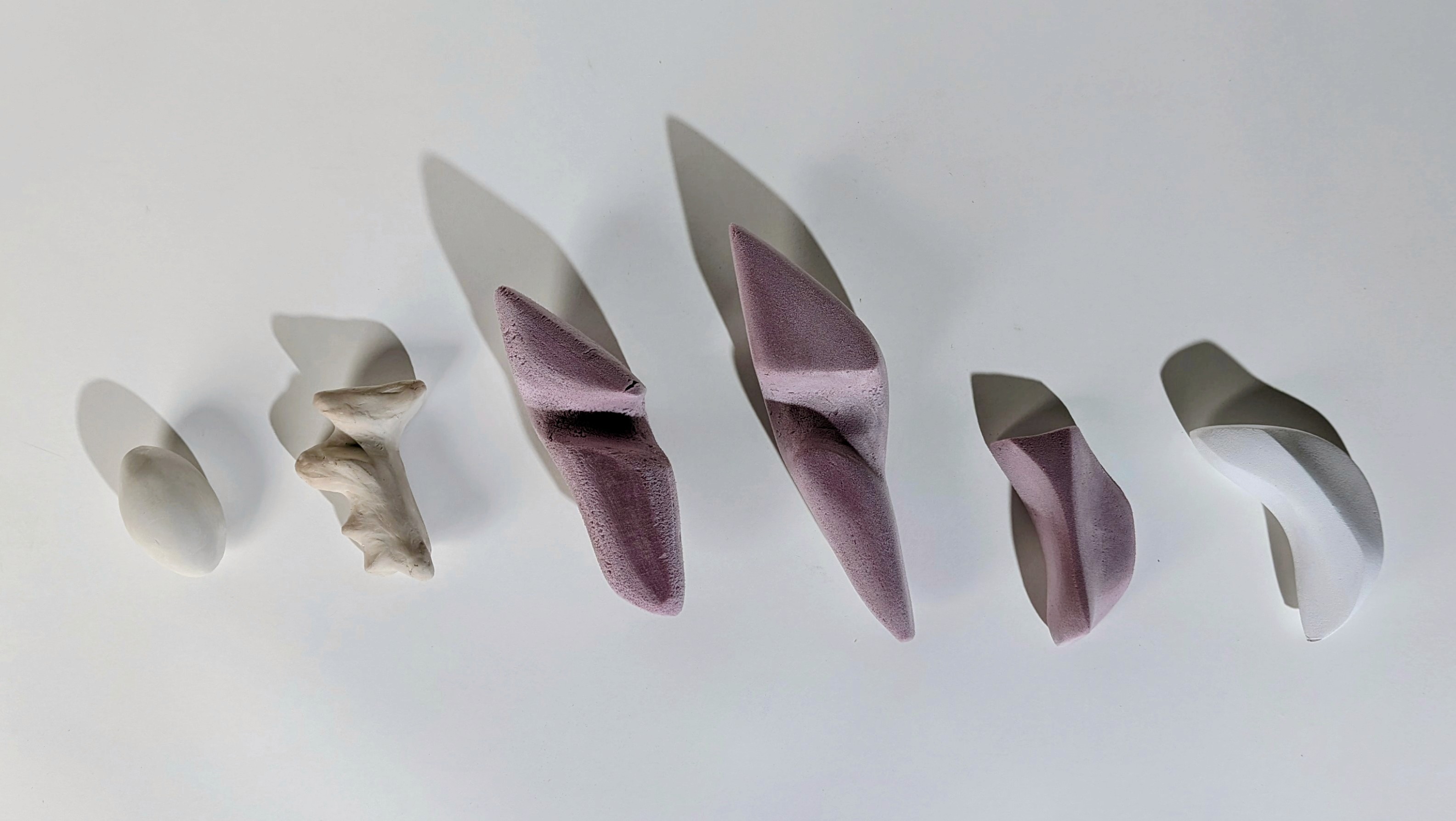
Through clay impressions, material translation, and iterative form‑making, this project investigates how physical interaction can be understood, abstracted, and re‑expressed across a family of related objects.
00
problem
Interaction is central to the design discipline, yet it remains one of its least tangible components. Motion, pressure, balance, and touch occur in fractions of a second and leave only subtle impressions that resist clear definition. This project addresses the difficulty of perceiving and articulating these micro interactions. By beginning with raw clay and the unfiltered forces of the hand, the work seeks to understand how movement becomes form, how form becomes language, and how that language can guide a system of objects that feel related yet distinct.
solution
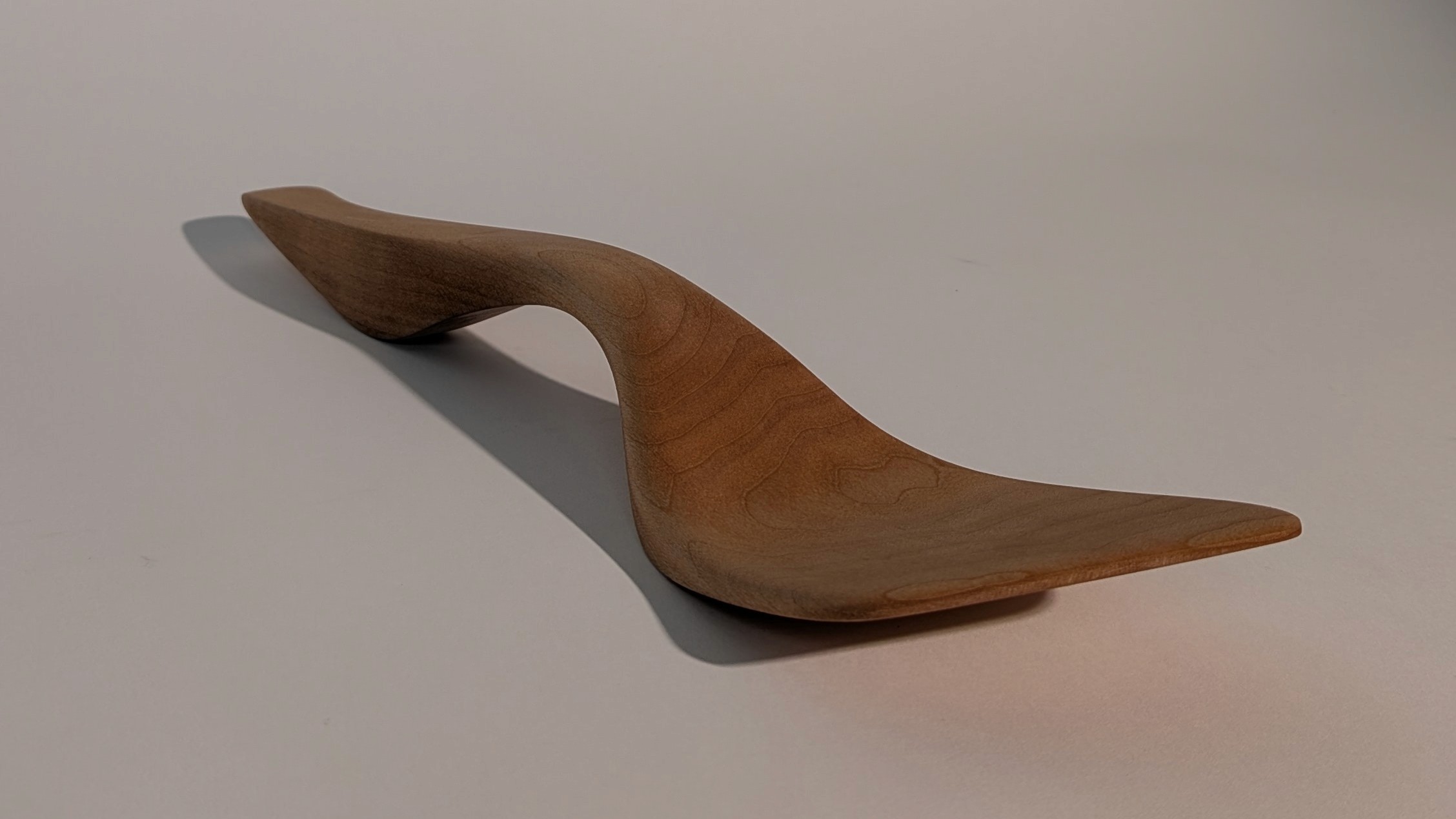
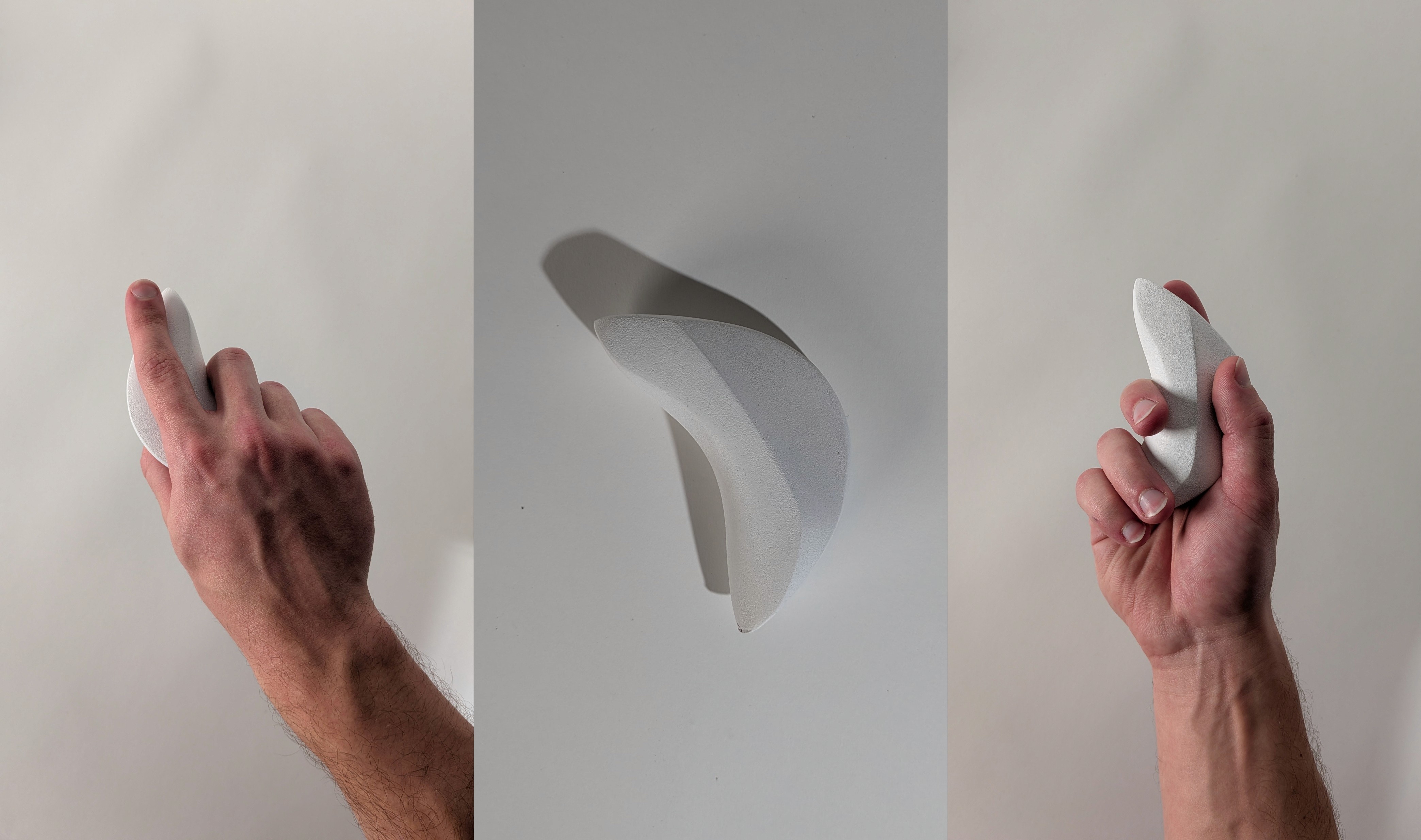
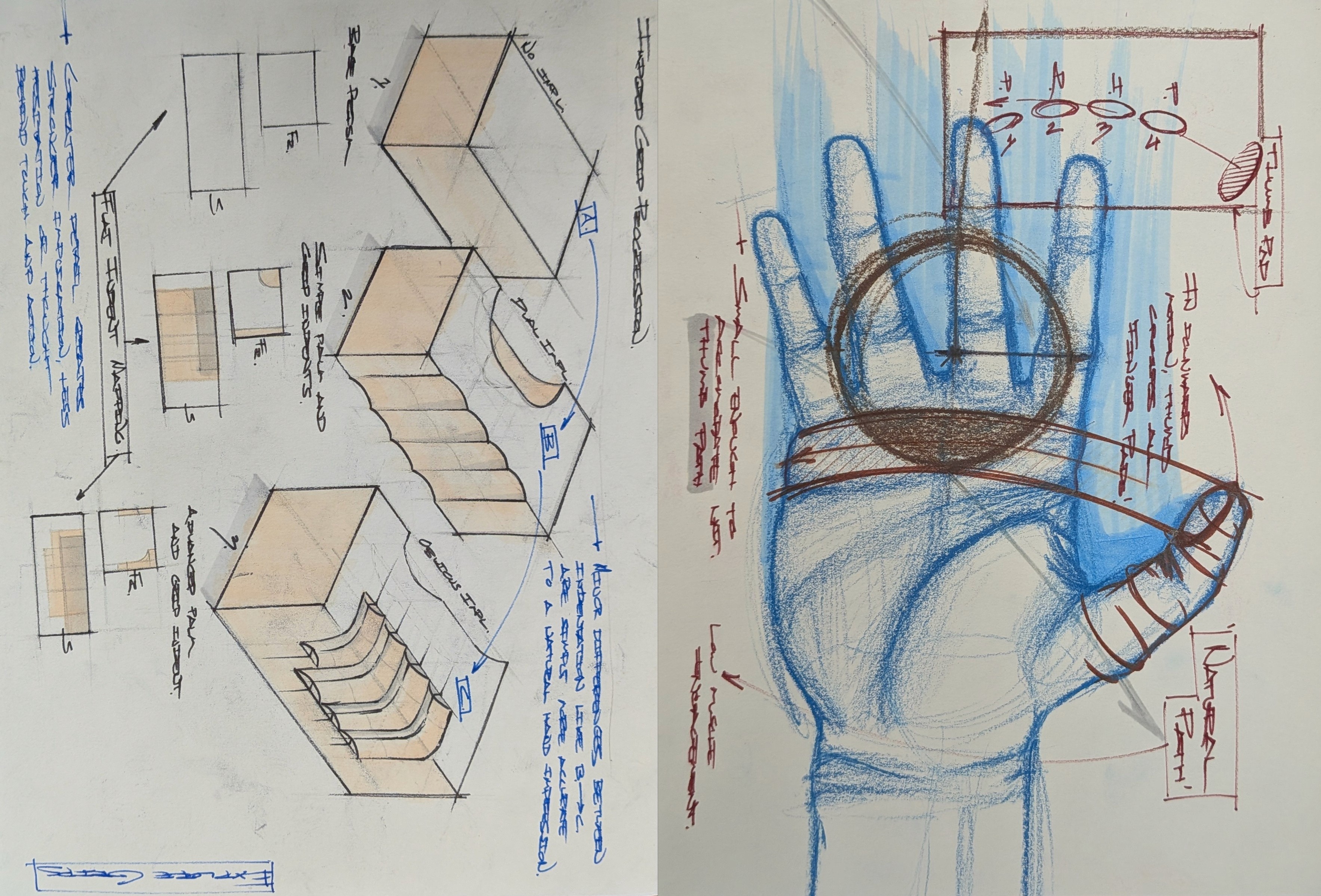
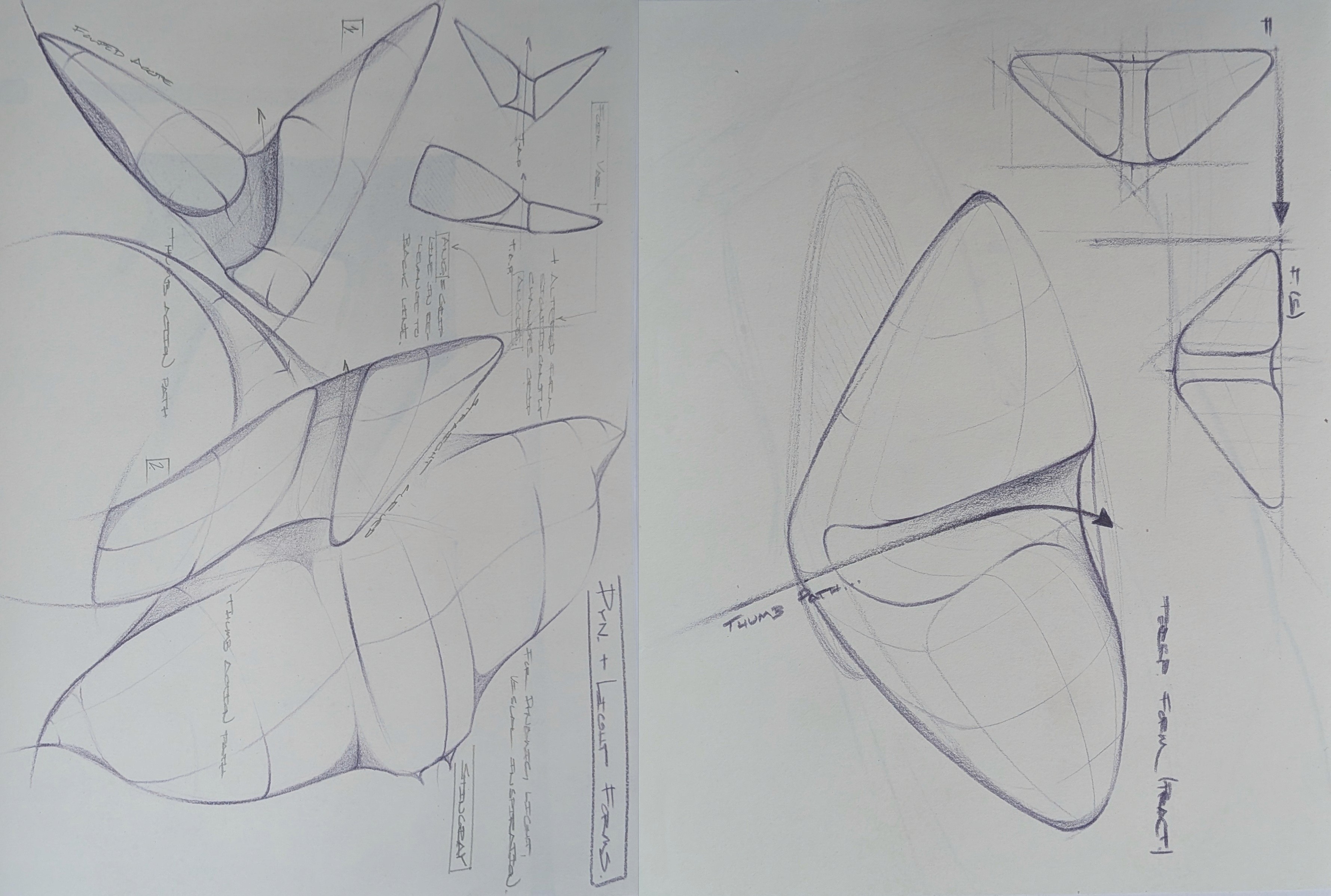
This project taught me how to understand a gesture that normally disappears before it can be examined. By beginning with a chosen movement of the thumb moving across the inner pads of the fingers, I learned how a simple motion contains far more nuance than I could see at first. My final model represents what I consider the purest, uninterupted form of my chosen movement, achieved through refinement of curvature and study of indentation.
A simple sweep of the thumb became the starting point for a deeper study of how motion shapes form. What began as an intuitive gesture grew into a sequence of objects that reveal how materials respond to the hand. Each step uncovered a new way of seeing interaction as something that can be shaped, translated, and understood.
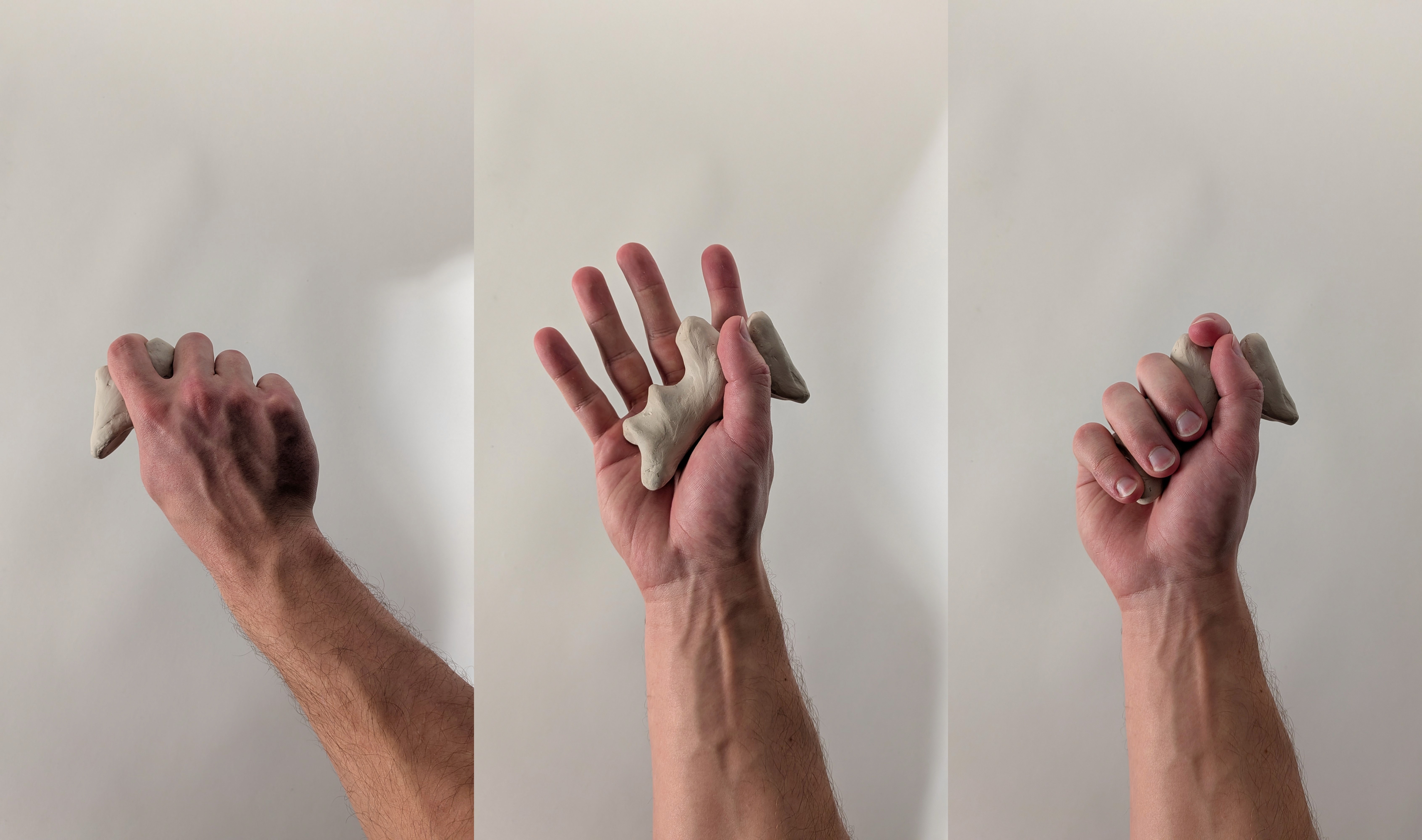
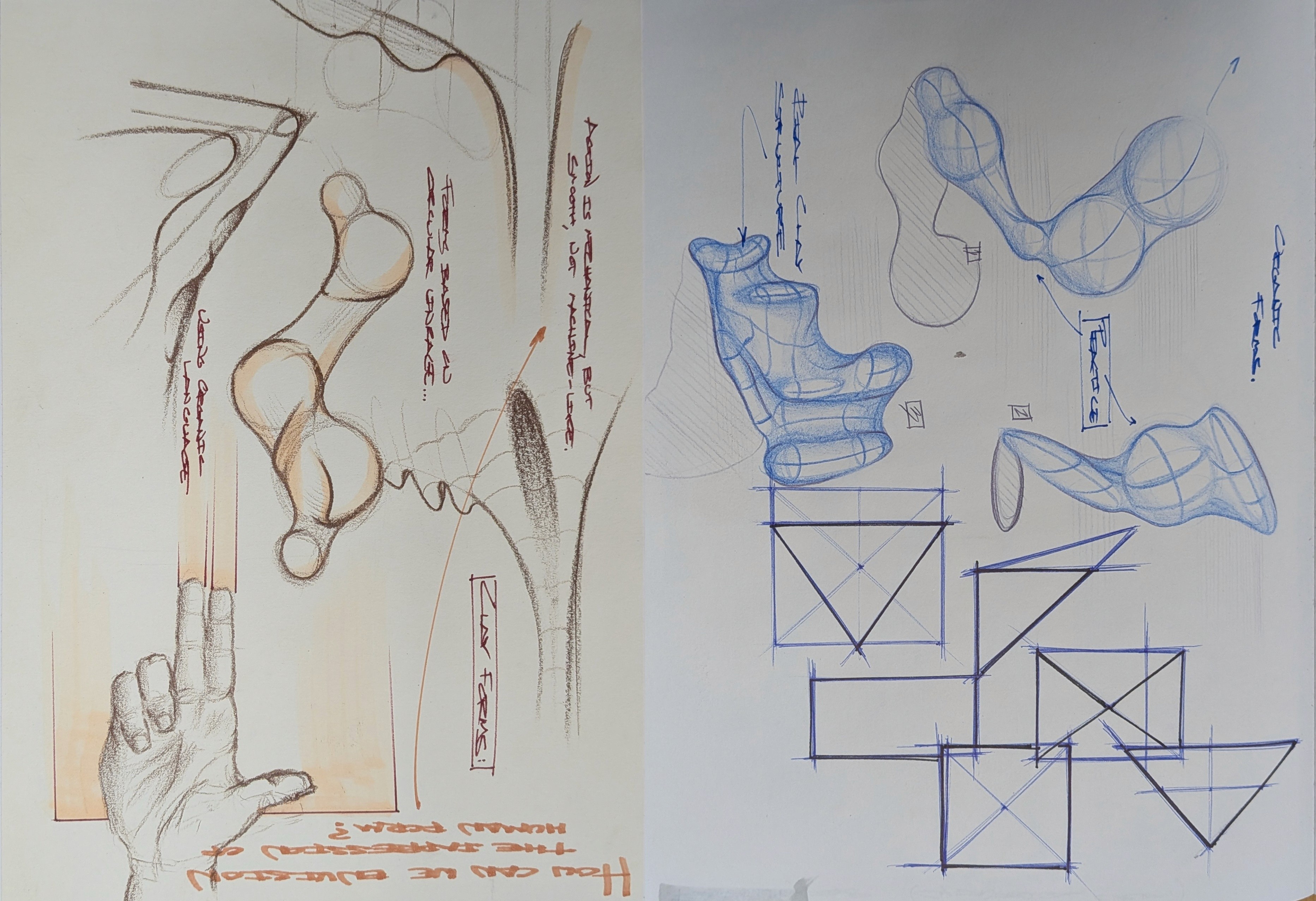
The project began with raw clay and an open invitation to let the hand lead. I explored a range of motions and pressures, paying attention to how the material shifted, resisted, and recorded each movement. From this exploration I selected a single gesture and used it to create an impression that captured the moment of contact in its most direct form. This impression became the foundation for understanding how the hand communicates through subtle changes in force and direction.
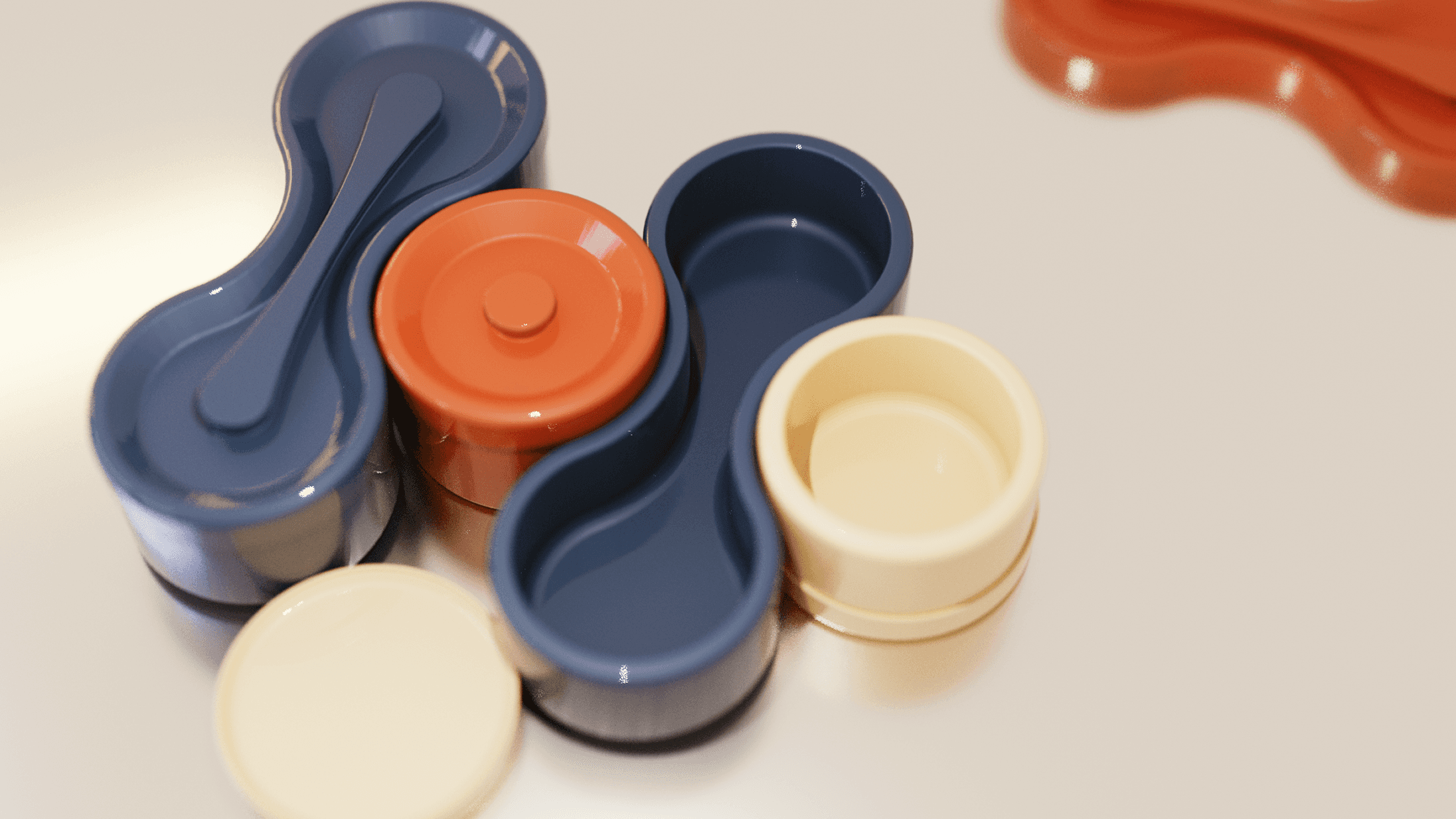
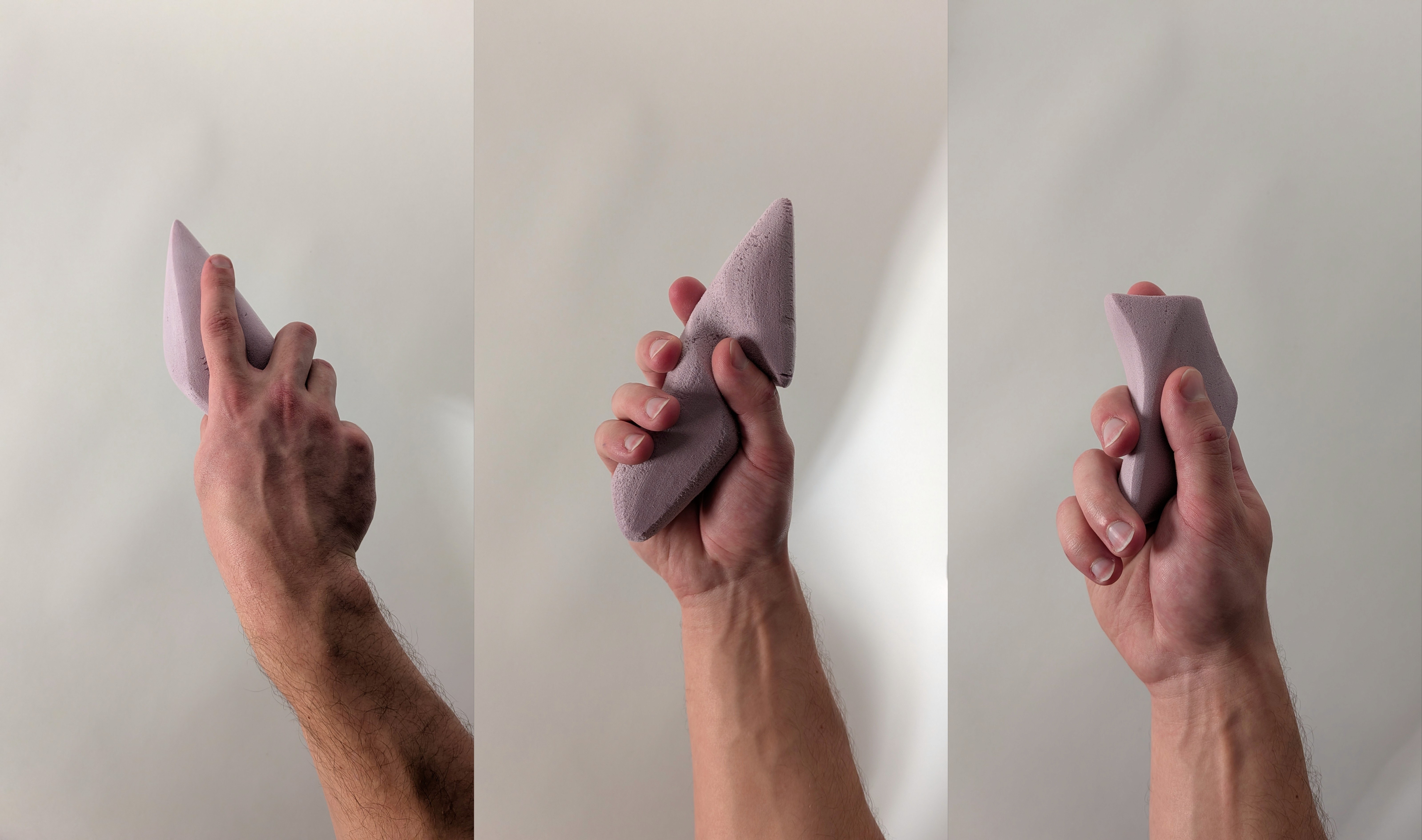
With that foundation in place, the work shifted toward translation. I moved from clay to foam and began shaping new forms that responded to the same gesture in different ways. Each material introduced its own behavior, which required new decisions about curvature and allowance of movement. Through this progression the family of objects began to speak a shared language, one that connected the original gesture to a broader study of how form can guide and reveal interaction.
01
02
03
04
05
see also