Amphibious Response Quad
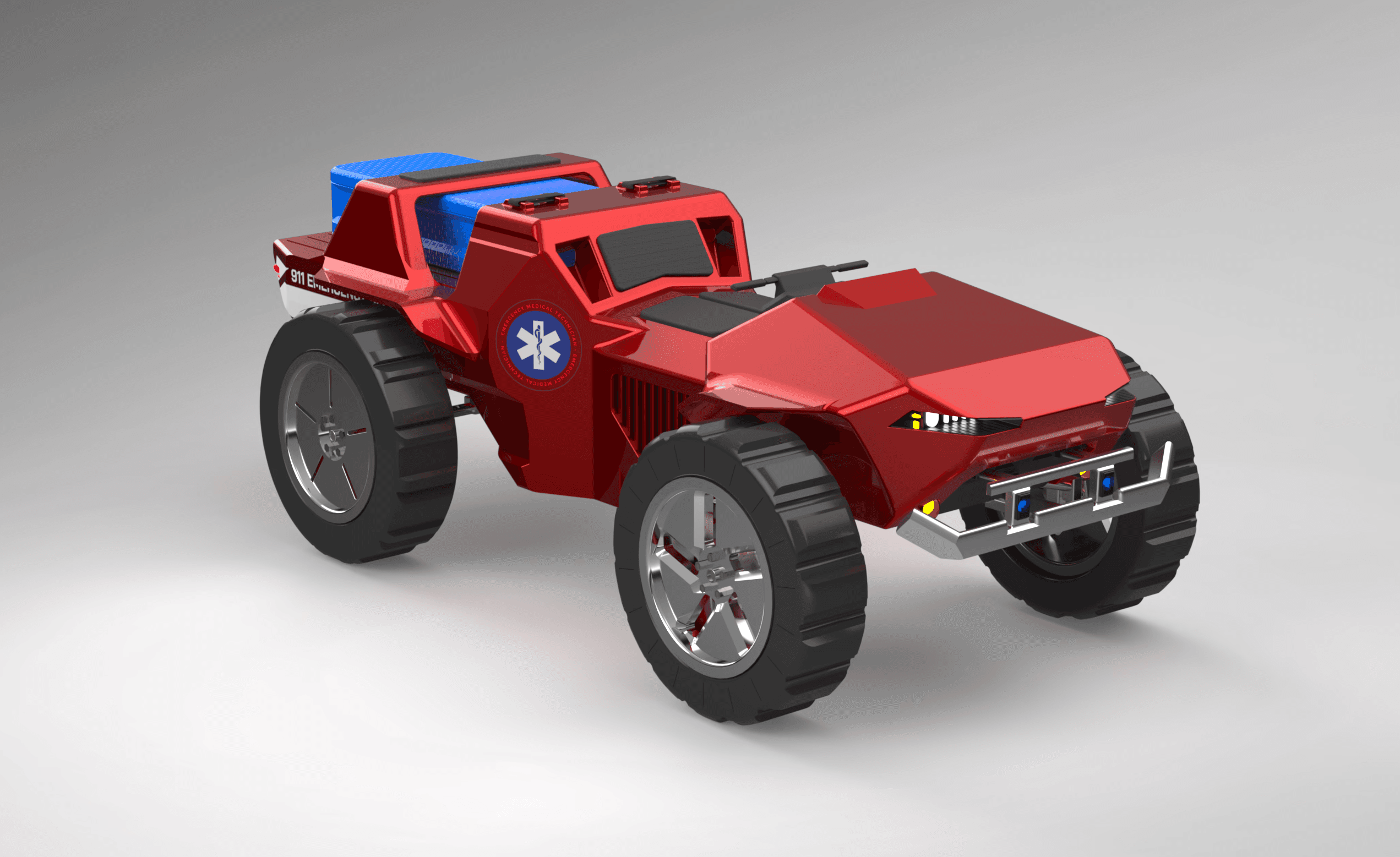
A high-speed, flood-capable ATV designed for emergency response in hurricane-prone coastal regions. Inspired by amphibious biology and built for intuitive maneuverability, this vehicle supports rapid medical transport and dual-responder operation across compromised terrain.
00
problem
In the Gulf Coast region, particularly Louisiana, Mississippi, and Texas, hurricanes like Ida have repeatedly devastated transportation infrastructure. This leaves roads, bridges, and evacuation routes submerged or impassable. Emergency responders face critical delays navigating flooded zones, while vulnerable communities remain isolated during peak crisis. Traditional vehicles lack the adaptability to traverse both land and water efficiently, especially in low-lying areas where floodwaters linger. There is a pressing need for agile, amphibious transport solutions that can operate reliably in extreme conditions and support life-saving logistics.
solution
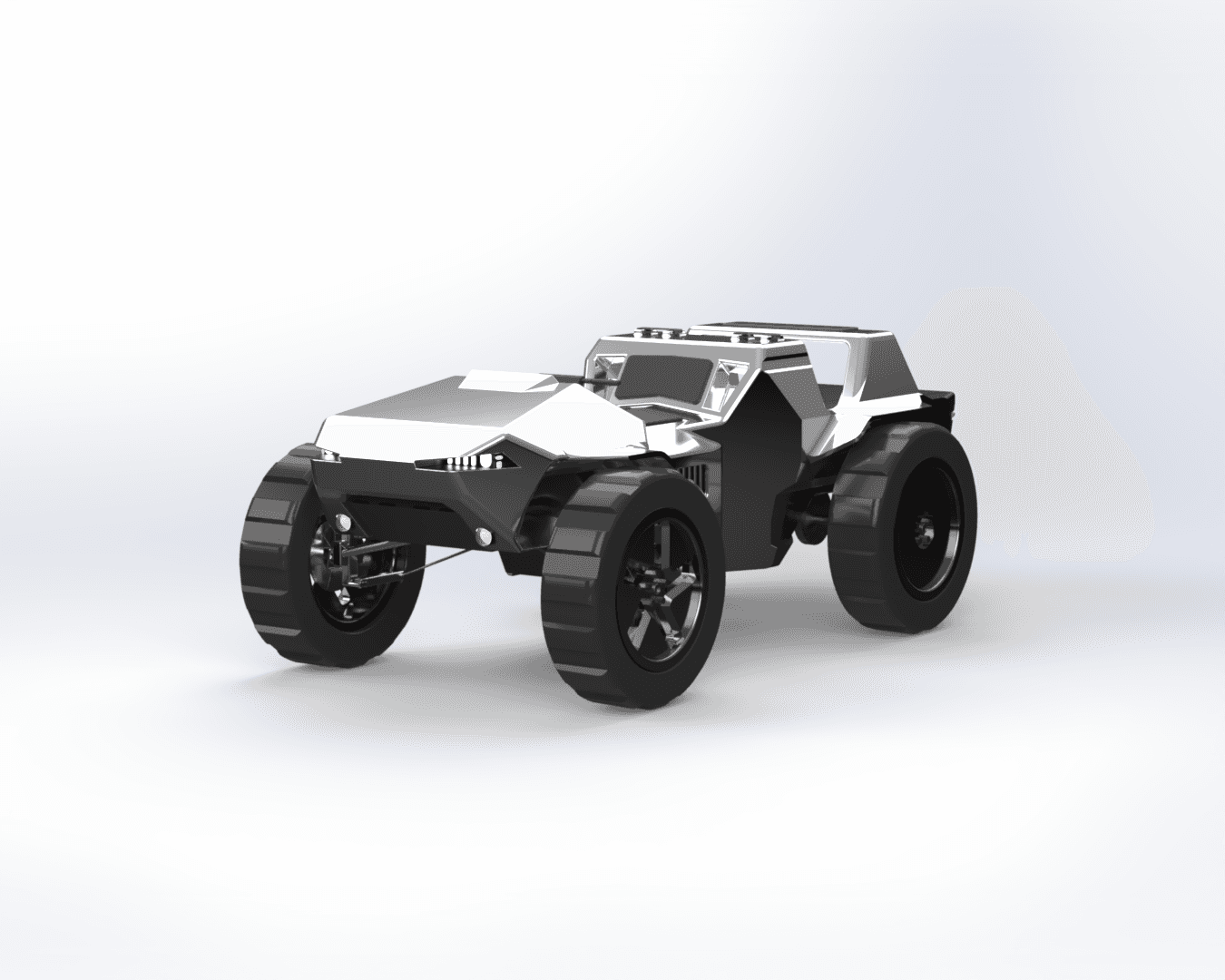
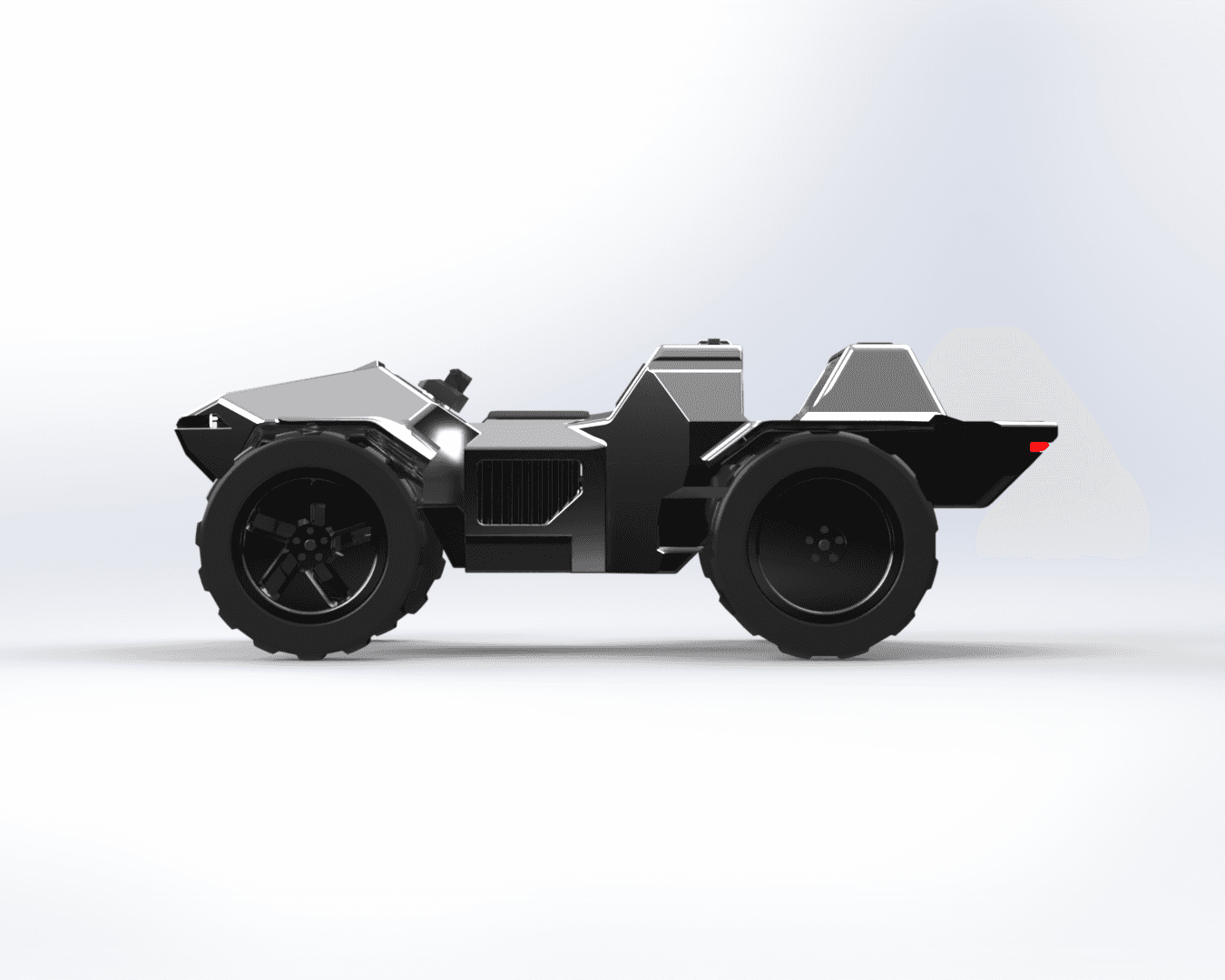
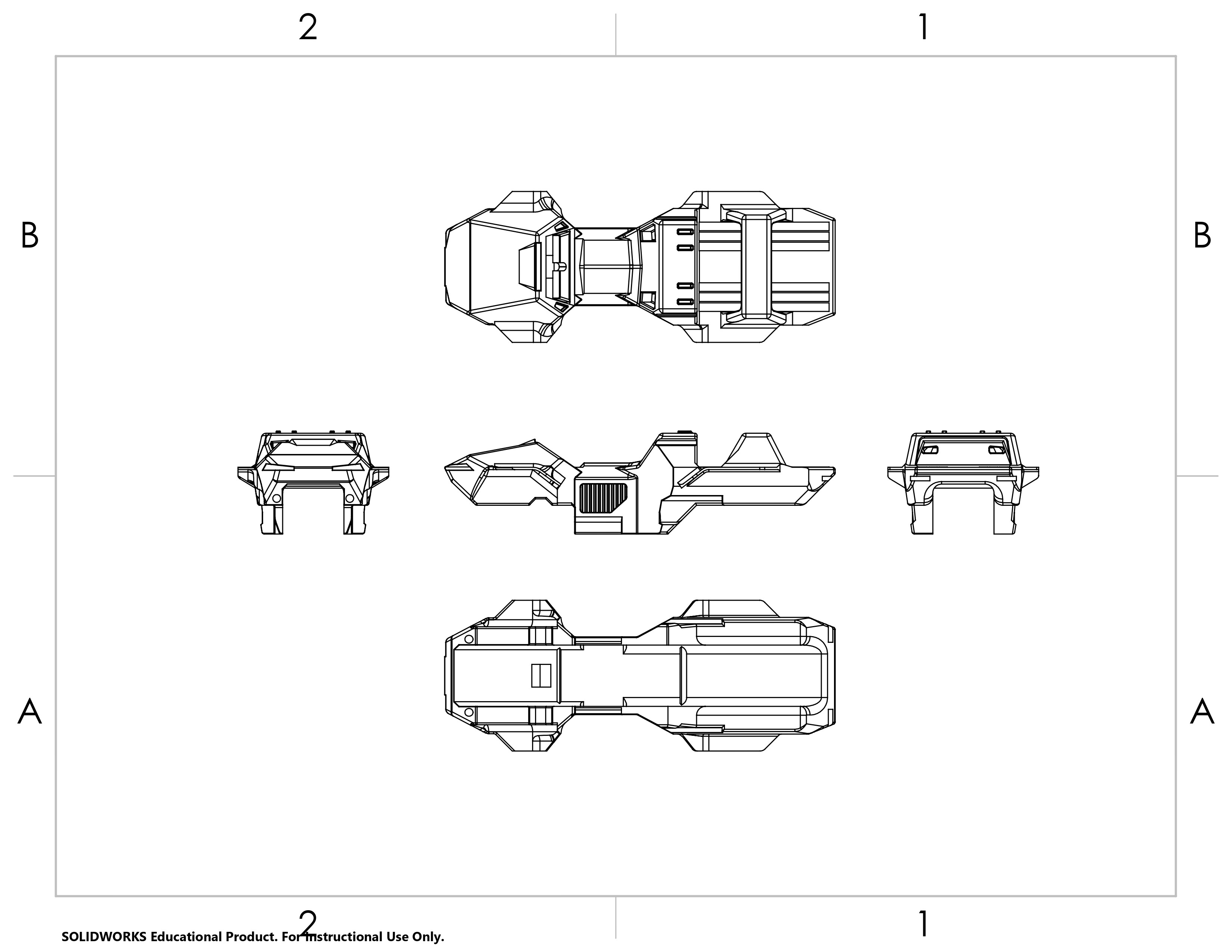
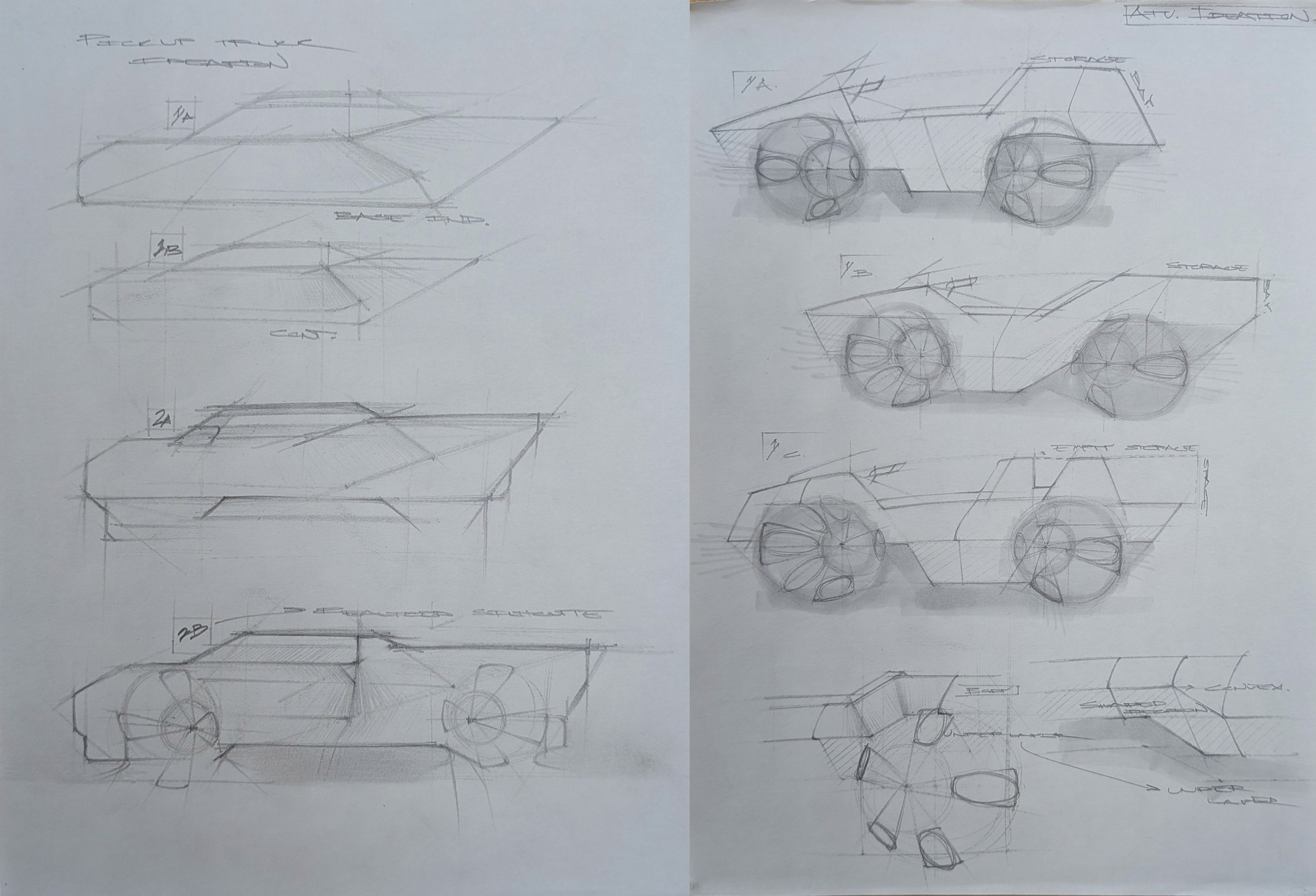
This project explores an amphibious quad vehicle designed to meet the demands of climate-resilient emergency response. Designed for speed and stability across both dry and submerged terrain, the vehicle features a biologically inspired frame and figure and a dual-occupant configuration tailored for medical transport and field coordination. Its elevated chassis and rear cargo platform allow for secure movement of supplies or injured persons, while intuitive design cues support rapid deployment in unpredictable environments. The concept bridges industrial design with ecological logic, offering a nimble alternative to traditional rescue vehicles.
Coastal infrastructure in the Gulf has been pushed past its limits by years of intensifying storms, leaving responders without reliable ways to reach people when it matters most. As I researched how these failures compound during hurricanes, the need for small, fast, amphibious vehicles became increasingly clear. This project grew from that intersection of climate reality, mobility challenges, and my own desire to design a vehicle for a real-world problem.
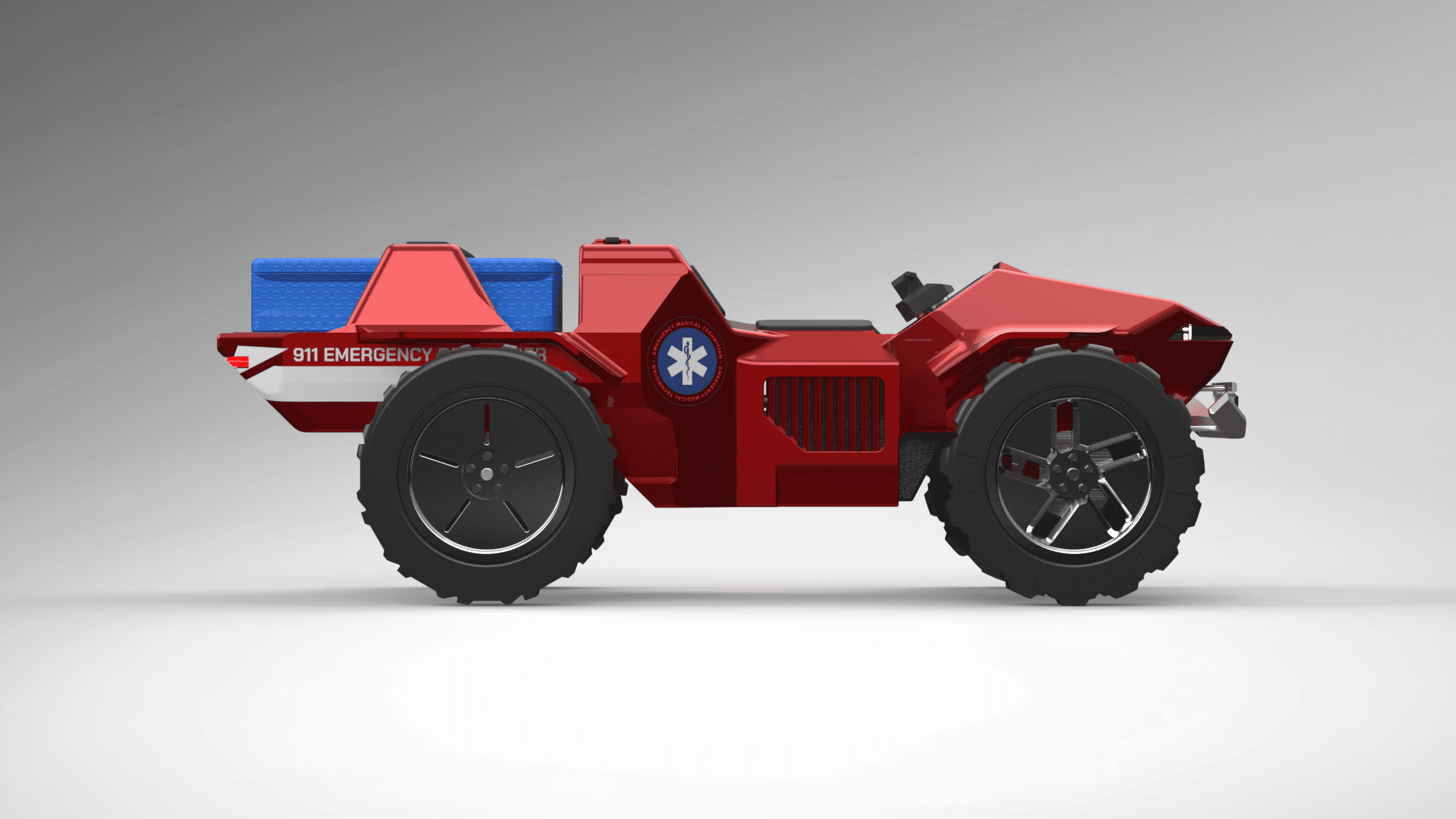
The idea began with a simple observation: every major Gulf Coast hurricane over the past decade has exposed the same vulnerability: roads disappear first. Flooded highways and washed‑out bridges turn emergency response into a race against rising water and treacherous terrain. Traditional vehicles aren’t built for those kinds of surface. As I dug deeper into how responders navigate these conditions, I realized the gap wasn’t just about power or durability; it was about scale. The region needed something small enough to maneuver through debris, light enough to float or skim through water, and fast enough to matter in the chaotic hours after landfall.
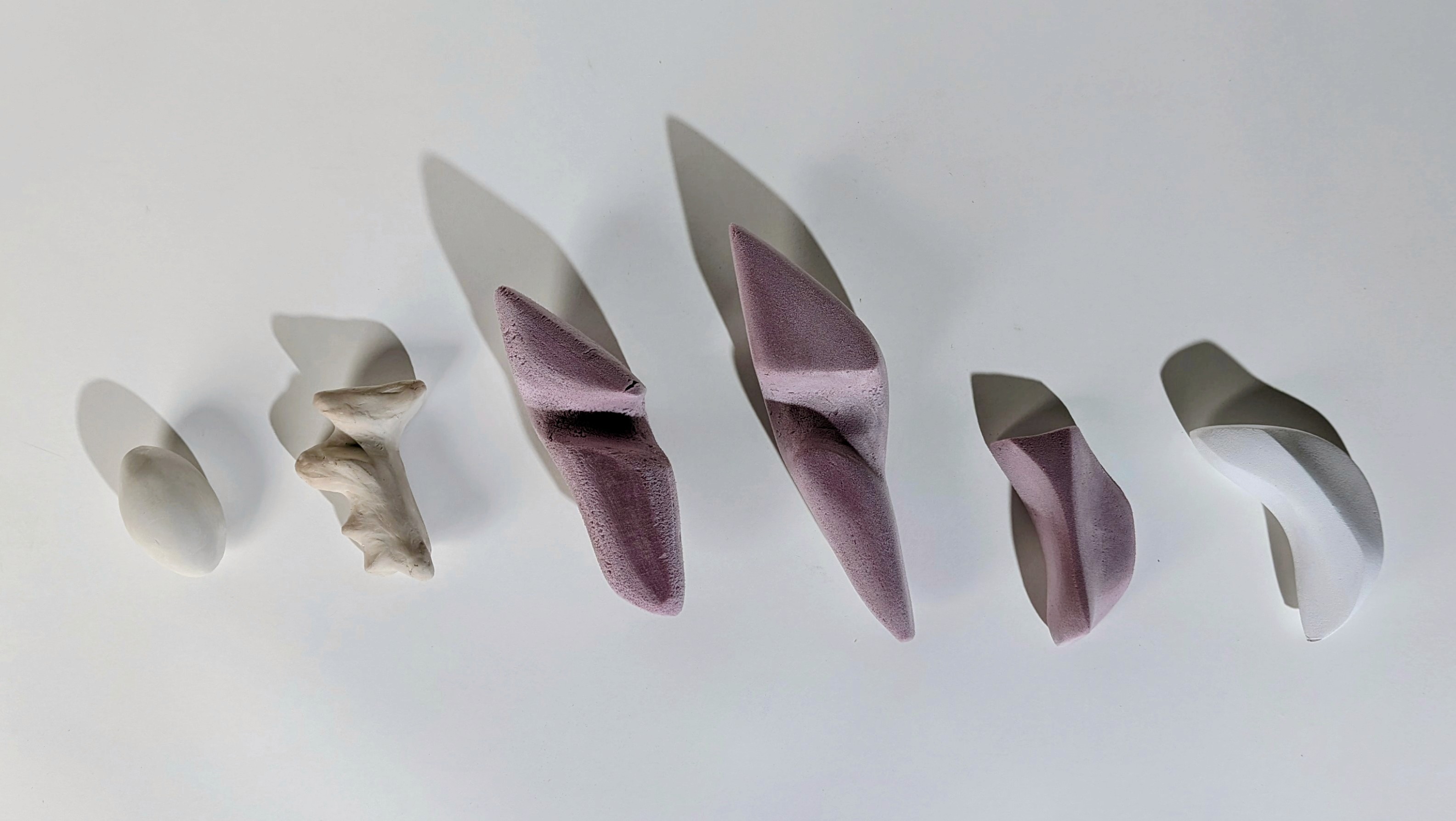
At the same time, I was looking for a way to push my own practice forward. I wanted to work on an automotive project with a more practical application than just a sports car or compact city vehicle, and since my automotive experience is still fairly rudimentary, a quad felt like the right platform to start translating my product design instincts into something that moves and transports. I began by sketching, studying how insects and amphibious animals distribute weight, and researching how responders actually move through flooded environments. The concept evolved from a simple off‑road vehicle into a purpose‑built rescue tool. A tool that blends biological inspiration and climate‑resilient mobility into a single, focused design exploration.
01
02
03
04
see also